
When traveling between the United States and Europe, it is common to encounter measurement differences that can be confusing, particularly in the area of speed. Americans use miles per hour (mph), while Europeans prefer kilometers per hour (km/h).
This distinction can pose challenges, especially for drivers accustomed to only one system. Knowing how to convert these units becomes essential to avoid speeding or misunderstandings on the road. Mastering this skill not only allows for a more relaxed travel experience but also helps to better understand the different measurement cultures around the world.
Why and When to Convert Miles Per Hour to Kilometers Per Hour
The conversion of miles per hour (mph) to kilometers per hour (km/h) proves essential in several contexts. Whether you are an international traveler, an expatriate, or simply a car enthusiast, understanding these conversions facilitates navigation and compliance with local regulations.
International Travel and Driving
When traveling between countries that use different measurement units, such as the United States and the United Kingdom, converting speeds becomes fundamental. Road signs and speed limits are expressed in local units. Knowing how to convert mph to km/h helps to adhere to limits and avoid fines.
Importing and Exporting Vehicles
Importing vehicles between countries that use different measurement units also requires this conversion. Speedometers on dashboards must display local speeds. Vehicles imported from the United States to Europe, for example, must have mph converted to km/h to comply with European standards.
Navigating with Apps and Navigation Tools
Modern navigation apps, like Waze, often display speeds based on regional preferences. Using conversion tools or configuring apps to show speed in local units can prevent navigation errors. Here are some situations where conversion is necessary:
- Driving in foreign countries
- Importing vehicles
- Using navigation apps
By incorporating these practices, understanding and converting speed units becomes a valuable skill for any international driver. 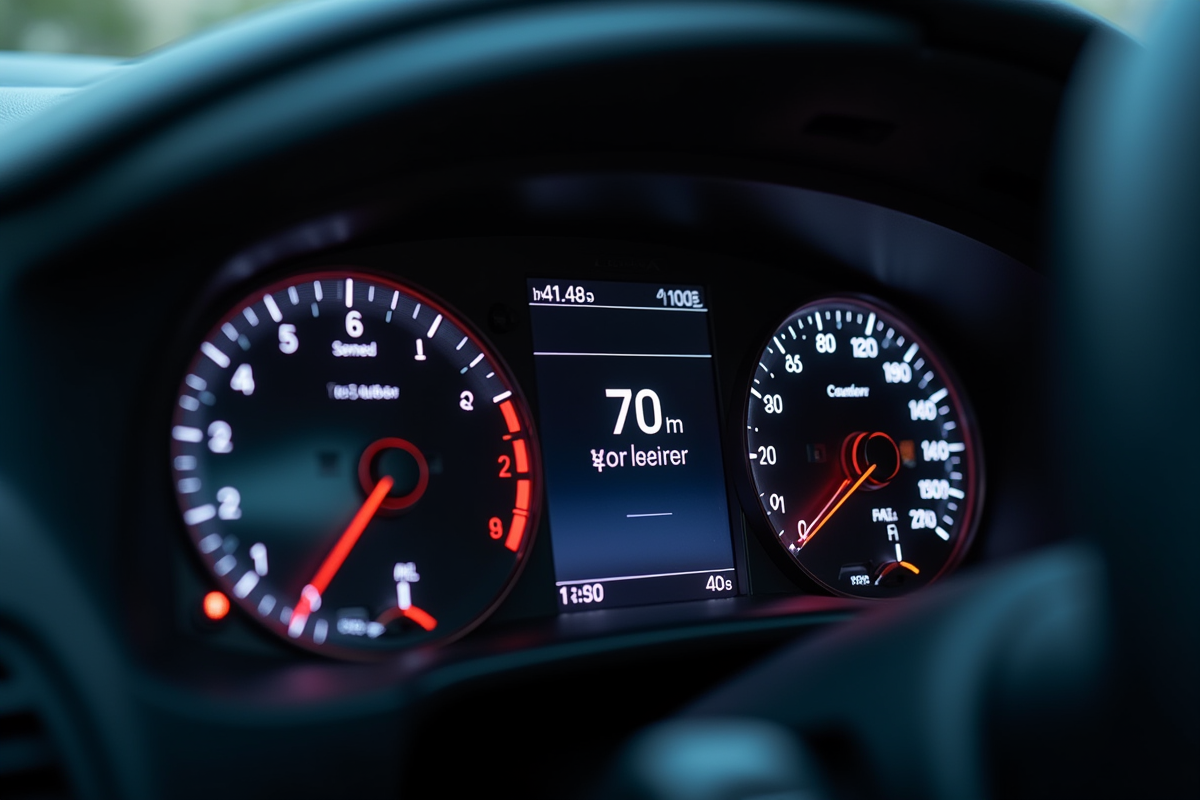
Methods and Tools for Converting Miles Per Hour to Kilometers Per Hour
The conversion of speeds between the two main units of measurement, miles per hour (mph) and kilometers per hour (km/h), can be done in several ways. Here are some practical methods and tools to achieve this.
Conversion Formulas
Using mathematical formulas remains the most straightforward method for converting speeds. To convert km/h to mph, multiply the speed in km/h by 0.621371. Conversely, to convert mph to km/h, multiply the speed in mph by 1.60934. These formulas ensure accurate and quick results.
Online Converters and Apps
Online converters are a convenient alternative to manual formulas. Many websites offer instant conversion tools. Apps available on Google Play provide similar features. For example, the RunMotion Coach app includes a speed converter.
Conversion Tables
For those who prefer a visual approach, conversion tables are excellent tools. These tables display the equivalences between km/h and mph for various speed values, allowing for quick reference without additional calculations.
Usage in Navigation Apps
Navigation apps like Waze display speeds based on regional preferences. Configuring these apps to show speed in the appropriate units helps avoid potential errors.
Using these methods and tools ensures accurate conversion tailored to the specific needs of each user.