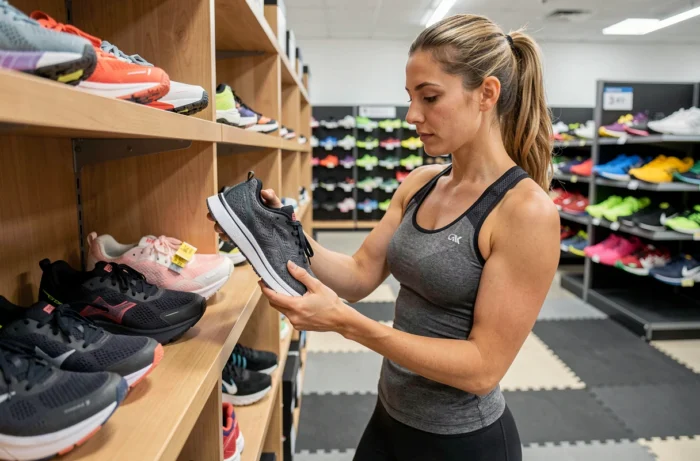
A pair of running shoes bought on a whim, a poorly sized bike, a fabric that sticks to the skin within minutes of exertion: poor sports equipment not only hinders but also slows progress and can cause injuries. Choosing your sports equipment for all your activities relies on a few specific technical criteria, often overlooked in favor of looks or the displayed price.
Repairability and actual cost: the criterion that no one looks at in-store
Have you ever thrown away a pair of sports shoes because the sole was coming off after a few months? Before buying new ones, check if your equipment is eligible for the repair bonus. This scheme allows you to have shoes and sports clothing repaired by a certified professional, with a direct deduction on the bill.
This reflex changes the way to evaluate a purchase. The true cost of equipment includes its lifespan and repairability. A trail shoe with reinforced stitching, whose sole can be re-glued or replaced, is cheaper over two years than a low-end model thrown away after six months.
The sports reuse sector is also rapidly organizing. In 2024, 7,000 tons of sports and leisure items were reused according to Ecologic, cited by SPORTMAG. Buying second-hand or selling your used equipment becomes a concrete option, especially for expensive gear like bikes, ski equipment, or technical suits. Exploring the yadusportcom site and its equipment allows you to compare available ranges before deciding between new and second-hand.
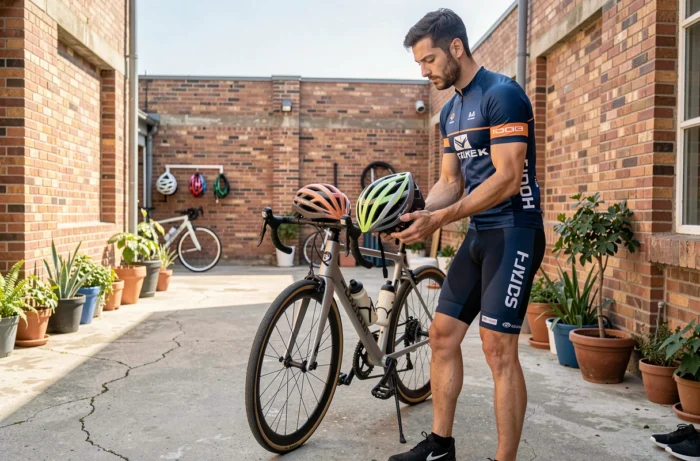
Sports shoes: adapt the sole to the practice, not to marketing
The shoe is the first piece of equipment to select, regardless of the sport. Why this choice first? Because an unsuitable shoe alters posture, overloads joints, and generates friction that worsens with each session.
Running and trail: cushioning and stride type
For running, two parameters are crucial: the type of stride (pronated, supinated, or neutral) and the level of cushioning. A beginner runner needs more cushioning than an experienced runner whose stride is stabilized. The terrain also plays a role: a smooth sole designed for pavement will slip on a wet trail.
Shoe size deserves attention. The foot swells during exertion. Planning for a half size up from your usual size prevents black toenails and blisters, especially over long distances.
Indoor sports and team sports
For fitness, basketball, or handball, the priority shifts from cushioning to lateral support. Quick direction changes put stress on the ankle. An indoor shoe must provide enhanced lateral support and a non-marking sole. Using running shoes indoors is a common mistake: their rounded sole, designed for forward motion, does not stabilize lateral support.
Technical clothing: understanding fabrics before choosing a size
The comfort of a sports garment does not only depend on the cut. The fabric determines breathability, thermal regulation, and resistance to wear.
- Synthetic fibers (polyester, polyamide) wick sweat away quickly and dry fast, making them suitable for intense activities like running or cycling.
- Merino wool regulates temperature and limits odors, an advantage for hiking or cross-country skiing where effort varies between ascent and descent.
- Cotton absorbs moisture without wicking it away: it becomes heavy and cold. Cotton should be avoided for any sustained sports activity.
For outdoor activities, waterproof jackets deserve careful examination. Textiles treated with water-repellent compounds (notably PFAS) are increasingly subject to regulatory oversight in France and Europe. PFAS-free alternatives are now available from several manufacturers, with comparable waterproofing performance for regular sports use.
Safety equipment: check the CE marking and risk category
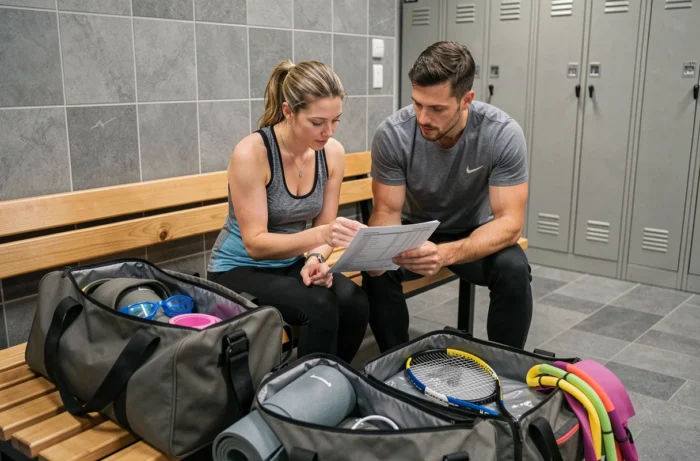
Bike helmet, life jacket for kayaking, shin guards in football: these personal protective equipment items are subject to strict regulations. The CE marking is the minimum to check before any purchase of sports protection. It ensures that the product meets European safety requirements.
The marking alone is not enough. The manual that accompanies the equipment specifies the conditions of use, storage, and maintenance. A bike helmet stored in direct sunlight for months loses its shock absorption properties. A life jacket calibrated for a weight lower than yours will not protect you properly.
When to replace protective equipment
After an impact, even without visible damage, a helmet must be replaced. The internal foam compresses irreversibly and will not protect during a second impact. For textile protections (knee pads, elbow pads), replace them as soon as elasticity decreases or padding collapses.
Adapting equipment to practice frequency
A jogger who runs once a week and a runner who does four outings a week do not have the same equipment needs. The frequency of practice alters wear, but also the level of technicality required.
- Occasional practice (once or twice a month): a versatile, entry-level equipment is sufficient. Prioritize comfort and proper size over technicality.
- Regular practice (two to three times a week): invest in equipment specific to your sport, with more durable materials and better support.
- Intensive practice (four times or more a week): every detail counts. Two pairs of shoes in rotation extend their lifespan and allow cushioning to regain its shape.
The budget follows the same logic. It is better to focus spending on pieces in direct contact with the body (shoes, technical underwear, protections) and save on secondary accessories.
Ultimately, choosing sports equipment rests on three simple questions: what sport, how often, on what terrain. The answers guide each purchase towards the right level of technicality, without overpaying for equipment whose features will never be used.