Far breton has never been among the top food exports of the region, despite its national fame. Some dairies in Finistère continue to produce buttermilk in micro-batches, although demand exceeds local supply. In Ille-et-Vilaine, the buckwheat used for galettes no longer systematically comes from nearby fields, due to agricultural constraints and price fluctuations.
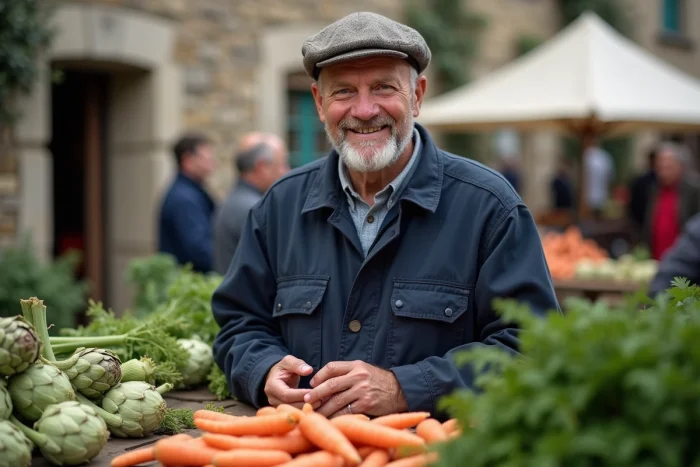
Short supply chains show an annual growth rate higher than the French average. This dynamic relies on a network of often-unknown producers, whose practices vary according to the terroirs, seasons, and distribution networks.
Why Brittany attracts food lovers in search of authenticity
Food enthusiasts know this: Brittany offers a range of local products with bold flavors, a world away from standardized productions. Breton specialties are passed down from generation to generation, driven by inventive rurality. Here, buckwheat galettes, scallops, or kouign amann are not mere regional clichés, but a reflection of a vibrant culture, rooted in daily reality.
In the farms of the Audierne bay, or the workshops of Côtes-d’Armor that make the hearts of small ports beat, each producer defends the richness of the local heritage. Preserving biodiversity, valuing buckwheat, or cultivating ancient varieties of apples for cider is an art that continues quietly.
Here are some iconic recipes that make the region proud:
- kouign amann and other Breton cakes
- thin galettes with a nutty flavor
- palets and salted butter caramels
The sea also shapes local gastronomy: freshly hand-harvested seaweed, smoked fish, shellfish sorted while it’s still dark, often sold directly at the port. This bubbling mix of flavors, driven by passionate artisans, attracts those who want the real deal. To learn more about Terre de Breizh and understand what shapes the uniqueness of Breton products, the page ‘Terre de Breizh – Bretons above all’ is full of information and avenues to explore. It reveals the diversity of specialties, the strong convictions of producers, and what makes an entire region vibrate.
Which local producers are currently showcasing Breton flavors?
Brittany can count on a dense network of artisans and producers who maintain uncompromising standards. Throughout the markets, in family workshops, they prioritize proximity, seasonality, and respect for taste. Every gesture counts, from the meticulous selection of apples to craft a refined farm cider, to the careful choice of ingredients to create true Breton palets.
Some bet on organic practices, convinced that soil health reflects in the plate. Others perpetuate the tradition of salted butter caramel, churned butter, or 100% buckwheat galettes. Craft brewers are multiplying experiences, drawing from the botanical richness of the region. As for seaweed harvesters, they bring a fresh breath to Breton cuisine by inventing recipes that shake up habits.
To illustrate this diversity, these products stand out particularly:
- Farm cider combines finesse and authenticity.
- Breton beers express the personality of the local hops.
- Salted butter caramel delights with its generous texture and bold aromas.
Behind the simple sale of local products, there is a desire for direct exchange with those who taste. Transparency about prices, guaranteed origin, this virtuous circle contributes to the energy of Breton culinary heritage. A solid network, woven over time, that makes a difference.
Addresses, tips, and ideas to savor Brittany and support its artisans
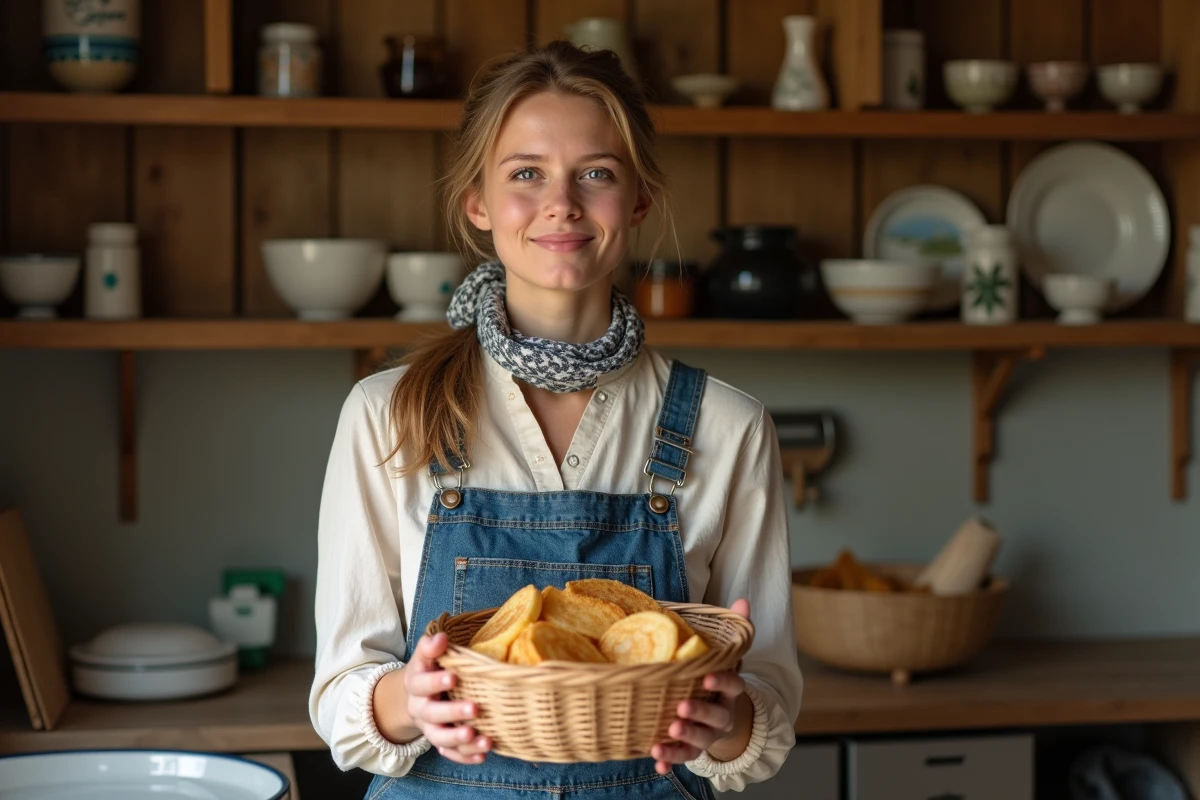
To discover the richness of Breton terroir, nothing beats immersing oneself in the markets, stopping by a farm, or having a chat with a local artisan. Short supply chains offer a unique opportunity to taste the true freshness of a apple pie or a buckwheat crepe, handcrafted, often directly.
Here are some concrete suggestions to go further:
- Experience an authentic experience by visiting the workshops of galettes and kouign amann, where the gestures are passed down without artificial folklore.
- Consider putting together a basket of local products: salted butter caramel, Breton palets, dry cider, craft beers. A true pleasure, even when back home.
- Take the time to taste, ask the artisan about the origin. Beyond the purchase, this dialogue enriches the knowledge of Breton specialties.
Choosing a responsible consumption makes perfect sense here. Opt for producers who focus on seasonality, taste, and fair remuneration. Excessive alcohol consumption is harmful to health: enjoy Breton beers and farm cider in moderation. The experience goes far beyond the table; it continues in every gesture, every exchanged word, every piece of knowledge passed on. It is up to each person to write the next chapter, fork in hand, curious and attentive.